
Tilapia’s popularity in fish farming stems from several key characteristics:
Rapid Growth and Reproduction:
They grow and reproduce quickly, making them an efficient choice for commercial farming.
Dietary Flexibility:
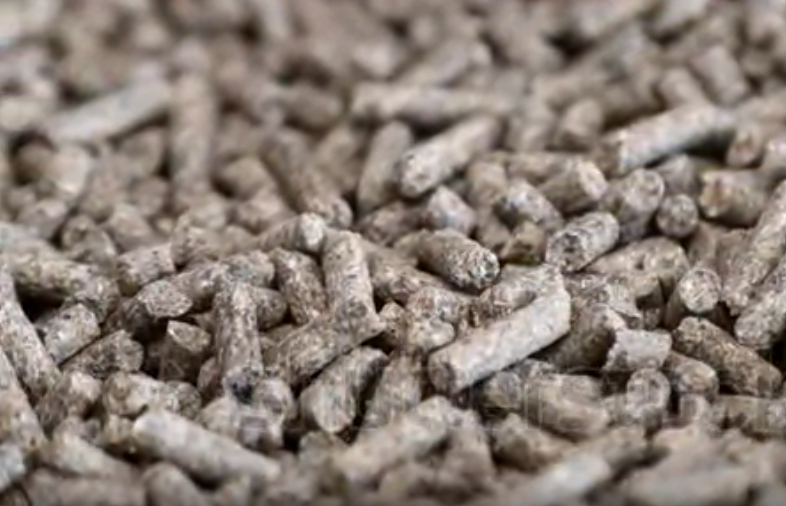
As omnivores, they readily consume a variety of foods, including plant-based diets and specialized fish feeds, contributing to cost-effective farming.

Resilience:
Tilapia are known for their tolerance to various water conditions, including fresh, brackish, and even salty water, and can thrive in relatively crowded environments.
Beyond the Market Stall: Nutritional Value and Culinary Delights

Beyond their ease of farming, tilapia offers significant nutritional benefits. They are a lean source of protein and contain essential vitamins and minerals like niacin, phosphorus, and choline. While often considered a mild-tasting fish, their versatility in the kitchen is undeniable. From grilling and baking to frying and steaming, tilapia adapts beautifully to a myriad of culinary preparations, making it a favorite for home cooks and chefs alike.
The image serves as a reminder of the journey of our food, from sustainable farming practices to the fresh ingredients that nourish us. The next time you see a display of fresh tilapia, remember the fascinating story behind this humble yet remarkable fish.